
When it comes to marketing, success often hinges on one key question: Why do people buy what they buy?
Traditional approaches rely on surveys, focus groups, and data analytics to answer that. But there’s one big problem: people don’t always know why they make the decisions they do. Most purchasing behavior happens subconsciously, driven by emotions, habits, and subtle cues.
That’s where neuromarketing steps in.
Think of it as a behind-the-scenes look at how the brain reacts to advertising, branding, and messaging. By tapping into these insights, businesses can build strategies that don’t just grab attention; they stick. When your branding is backed by neuromarketing, it resonates on an emotional level, turning casual browsers into loyal customers.
The Science Behind Neuromarketing
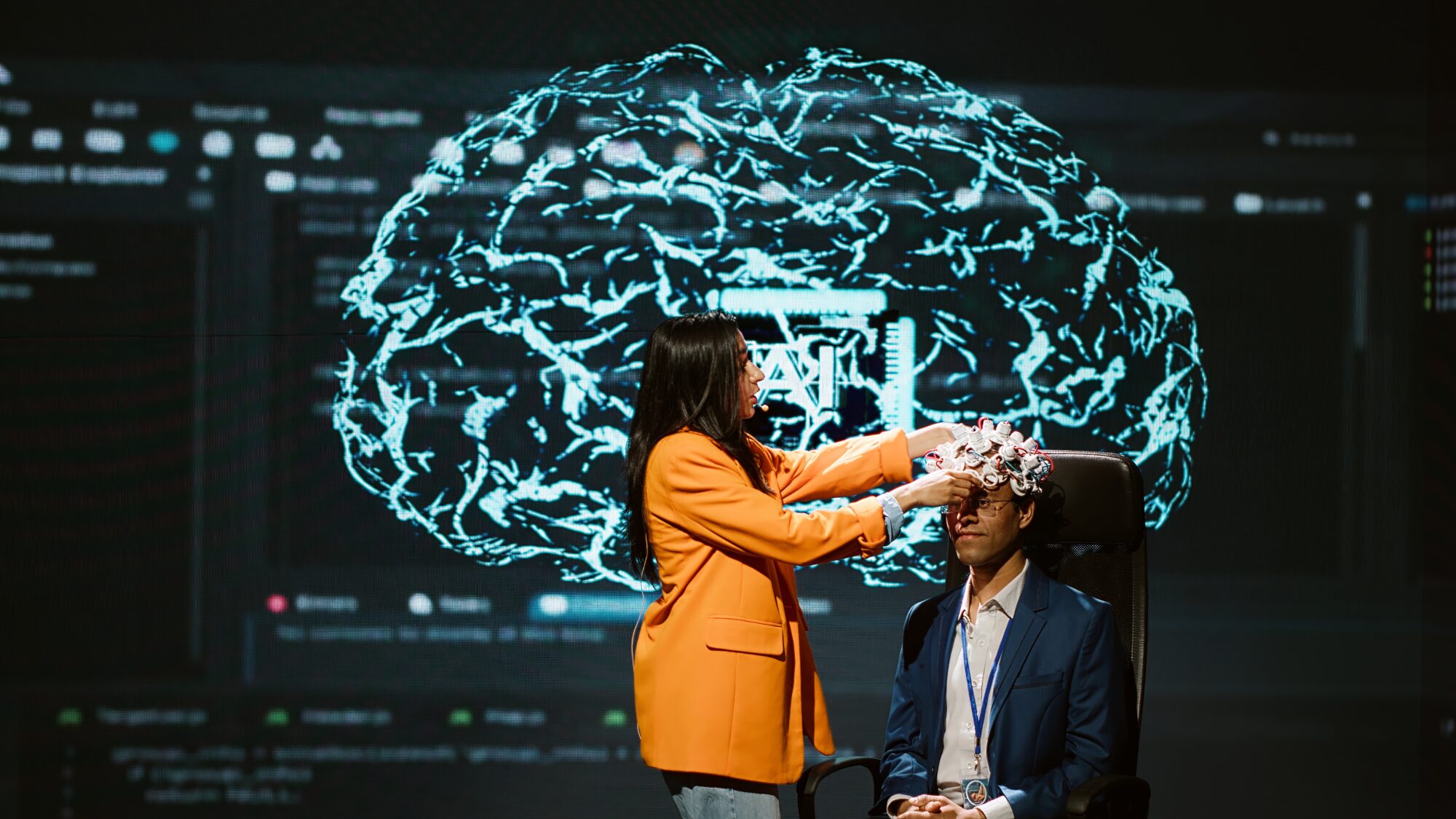
Neuromarketing uses tools from neuroscience to measure brain activity and physiological responses. Instead of asking consumers what they think, it observes how their brain reacts. Some common techniques include:
- Eye Tracking: Shows where people actually look on a page or ad (spoiler: it’s not always where you expect).
- Facial Coding: Analyzes micro-expressions to spot real-time emotional responses.
- EEG (Electroencephalogram): Tracks brainwave activity to see how people engage with content.
- FMRI (Functional Magnetic Resonance Imaging): Tracks blood flow in the brain to see which regions “light up” during decision-making.
- Biometrics: Measures things like heart rate or skin response to gauge excitement or stress.
Neuromarketing research consistently shows that emotional storytelling outperforms pure logic. A clever ad may be remembered, but an ad that makes someone feel something is far more likely to drive action.
Why Emotions Drive Decisions
At its core, neuromarketing reinforces something marketers have long suspected: we buy with our hearts, then justify with our heads.
Neuroscientist Antonio Damasio’s research found that people with damage to the emotional centers of their brains struggled to make even simple decisions. Without emotions, decision-making becomes almost impossible.
This explains why:
- A strong brand identity builds trust before a single word is spoken.
- Stories stick in our brains longer than bullet points.
- Colors and visuals create immediate associations we don’t consciously control.
For businesses, this is a reminder that the “feel” of your brand matters just as much as the facts and features about your product or service.
Neuromarketing in Action: Practical Applications
So, how can companies turn brain science into business strategy? Here are a few ways neuromarketing principles can show up in everyday strategies:
1. Web Design and User Experience
Eye-tracking studies show people read websites in an “F-pattern,” scanning heavily across the top and down the left. A savvy web company uses this to design layouts that naturally guide users toward key actions instead of leaving it up to chance.
2. Email Marketing & Subject Lines
Your inbox is a battlefield. The brain processes emotion faster than logic, which means a subject line that sparks curiosity or joy wins the open. Agencies offering email marketing and email mailing test variations until they find the phrasing that makes people want to click.
3. Branding Strategy
From colors to fonts to logo shapes, branding speaks directly to the subconscious. Rounded shapes tend to feel approachable; sharp edges suggest strength. A thoughtful branding strategy helps ensure your company feels exactly the way you want it to in the minds of your audience.
4. Social Media Marketing
Algorithms may dictate reach, but emotions drive engagement. Posts that make people laugh, feel seen, or share a spark of inspiration travel farther than static updates. Skilled content marketers know how to bottle that emotion so it spreads organically.
5. Advertising Campaigns
Ad agencies don’t just test copy and visuals for fun; they’re tapping into neuromarketing principles. By measuring what grabs attention in a split second, they save brands from investing in campaigns that fizzle.
How Agencies Use Neuromarketing
Not every business has the budget for brain scanners, MRI machines, and science labs. The good news? You don’t need them. When you partner with an agency for digital marketing or a full-service online marketing company, you’re tapping into experts who already translate these principles into everyday tools.
Whether it’s SEO as a service to mirror how people search, social media marketing designed to create an emotional connection, or websites built to keep visitors clicking — good agencies translate the science into practical, scalable results.
At Pulse Marketing, we see neuromarketing as more than a buzzword. It’s a framework for creating campaigns that truly connect. By blending psychology, creativity, and data, we help brands resonate not just with the mind, but with the heart.
The Bottom Line
In today’s crowded marketplace, the brands that win aren’t just the ones shouting the loudest. They’re the ones who resonate.
Neuromarketing gives us a clearer lens into why people choose what they choose, and how businesses can serve them better.
With the right strategy (and the right partner), your marketing can shift from “just another ad” to something unforgettable.
Because when you align with how people really think, feel, and decide, your brand doesn’t just get noticed. It gets remembered.